
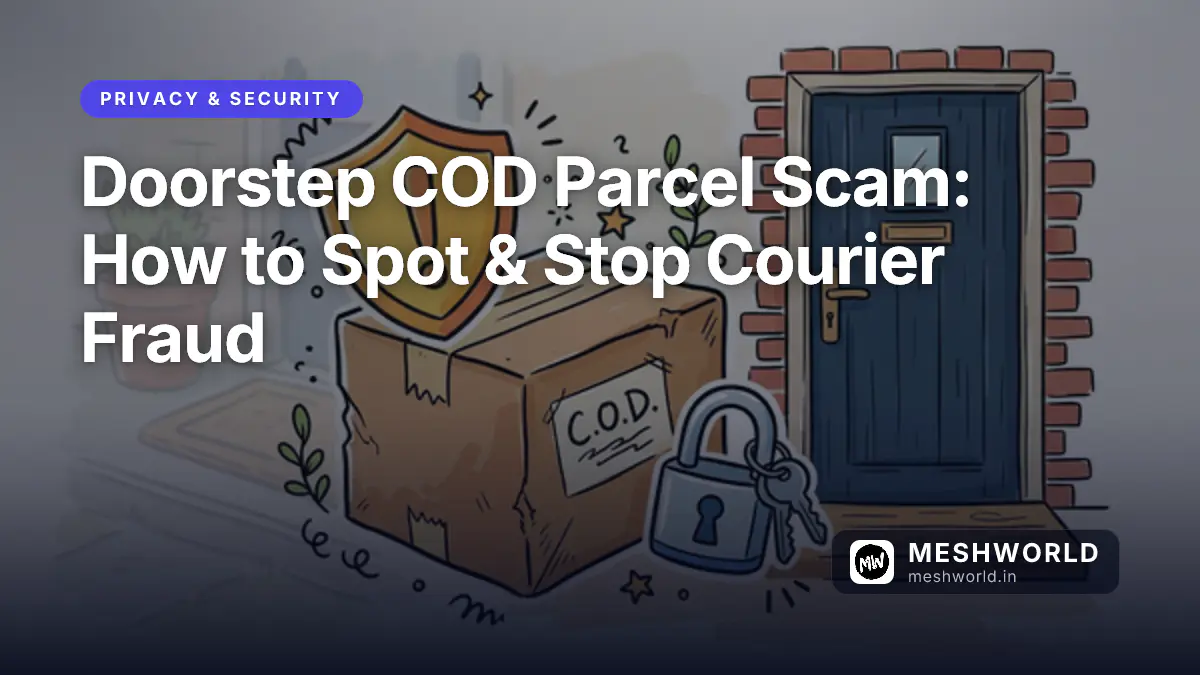
It is 2:30 PM on a Tuesday. Your 68-year-old mother is boiling tea when a courier in a blue jacket bangs on the front door. He hands her a sealed package labeled “COD: ₹499” printed with her exact name and address. Nobody in your house remembers ordering car care products, cheap cosmetics, or random electronics. When she hesitates, the polite facade of the delivery agent vanishes—insults start flying, and you find yourself face-to-face with a cash-on-delivery parcel scam designed to bully families into paying for junk.
Key Takeaways
- Unsolicited COD parcel scams target homes during daytime hours when elders or domestic help answer the door.
- Scammers harvest validated names and addresses from discarded shipping labels or insider supply-chain leaks.
- Universal Rule: Zero payment for any cash-on-delivery package unless an active order is verified on an official app screen.
- If a delivery agent becomes aggressive or hostile upon refusal, shut and lock the door immediately and state you are calling the police.
Why Are Fraudsters Shifting from Digital Phishing to Physical Doorstep Scams?
Cybercriminals are shifting from digital phishing to physical doorstep scams because digital banking firewalls, OTP-awareness campaigns, and bank account freezes have made online fraud harder to pull off. Physical Cash-on-Delivery (COD) intimidation bypasses digital security entirely, relying on physical pressure and untraceable cash loops at your front door.
For the better part of the last decade, consumer protection groups and cyber security organizations focused almost entirely on digital threats—OTP phishing, fake UPI collection requests, and fraudulent website links. The narrative was clear: the danger was inside your inbox, not at your front gate.
However, fraudsters adapt quickly. They understand that digital scams leave electronic footprints. When a victim is defrauded online via a bank transfer, cyber cells can freeze bank accounts, trace IP addresses, or flag mule accounts. The digital realm is becoming too risky for large-scale, low-value fraud.
The unsolicited COD package scam relies on a completely different attack methodology: physical pressure and untraceable cash loops.
Scammers dispatch low-value, worthless items through legitimate third-party logistics networks. They specifically target daytime hours when younger, tech-savvy family members are at work. This leaves elderly parents, vulnerable relatives, or domestic help to answer the door under pressure. When the recipient realizes the package is unsolicited and refuses to pay, the situation frequently devolves into verbal abuse, boundary-pushing, and psychological intimidation.
The objective is simple: extract a few hundred rupees in cash through fear, urgency, and social awkwardness. Since cash leaves zero digital trail, recovering the money is nearly impossible. The scammer exploits the victim’s politeness and the awkwardness of turning someone away empty-handed.
How Does the Doorstep Cash-on-Delivery Scam Work Step-by-Step?
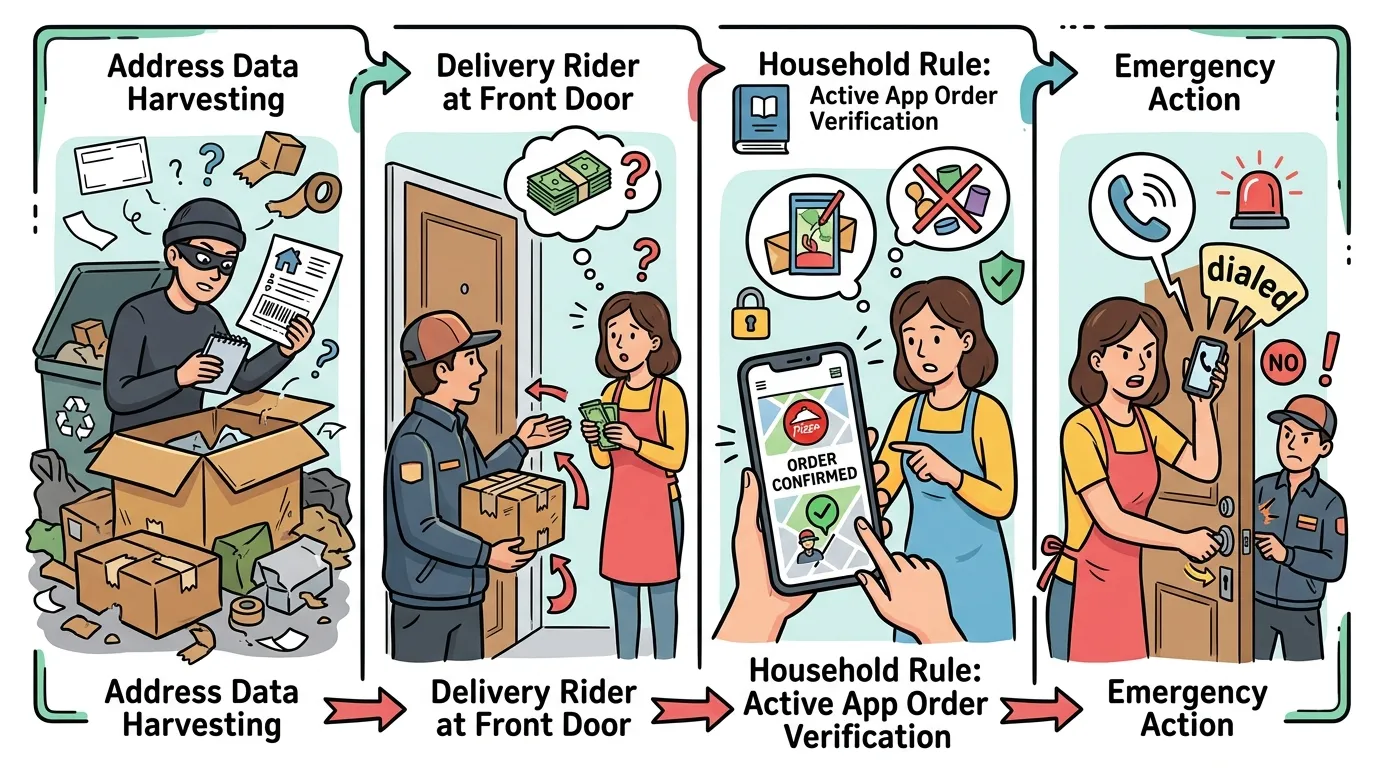
The doorstep cash-on-delivery scam operates through a four-stage supply-chain exploitation pattern: insider address data harvesting from discarded packages or logistics contractors, bulk shipping of low-value junk consignments, targeted afternoon timing when elders are alone, and aggressive intimidation upon rejection.
To protect yourself, you need to understand how this physical scam works step-by-step. It’s not random; it’s a highly orchestrated supply-chain exploitation.
1. Data Harvesting: The Inside Job
How do scammers get your exact name, phone number, and physical address? The common assumption is that they buy leaked consumer registries from old database breaches. While this happens, a more accurate method exists.
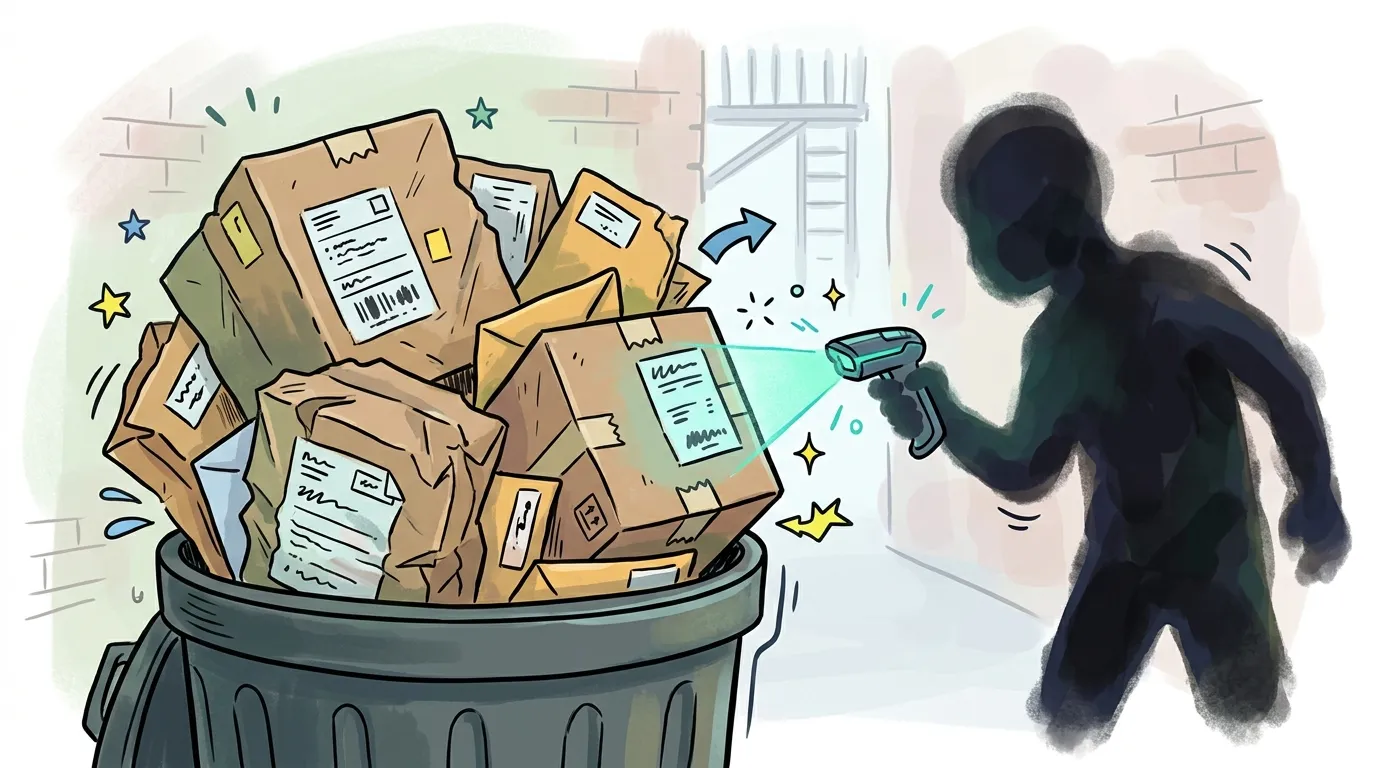
Scammers harvest data from previous, legitimate deliveries. Every package that arrives at a house has the recipient’s full name, complete address, and registered phone number printed directly on the shipping label. Supply-chain workers—warehouse staff, sorting-hub contractors, gig-workers, and local delivery agents—handle these details every single day. Unscrupulous workers photograph or manually copy these “validated” address lists and sell them to fraud syndicates for a few hundred rupees.
Once a real order is delivered, the scammer knows three things: the address is active, the resident lives there, and they’re used to receiving COD parcels. This makes the subsequent fake package convincing.
2. The Low-Value Consignment: Shipping Junk
Once they have a validated list, scammers register as “sellers” on local marketplaces or directly approach logistics aggregators. They dispatch bulk, worthless items: low-grade cleaning liquids, cheap plastic toys, soap bars, stones wrapped to mimic the weight of electronics, or even entirely empty boxes.
The COD amount is deliberately kept between ₹300 and ₹1,500. This is a calculated psychological tactic. The amount is high enough to be profitable for the scammer when multiplied across thousands of parcels, but low enough that the victim might think, “It’s only a little money, maybe my spouse ordered it.” The courier company itself is usually just the carrier; the fraud sits with the fake seller or the insider who supplied the address.
Why do scammers charge ₹300 to ₹1,500?
- High Volume Profit: ₹499 multiplied across 1,000 homes in a single suburb yields ₹4,99,000 in raw cash per weekend.
- The Friction Sweet Spot: ₹499 is low enough that victims think, “Maybe my spouse ordered it,” or pay just to avoid a screaming argument on the porch.
- Below Reporting Thresholds: Low amounts discourage victims from spending hours at a police station, letting the syndicate operate unreported for months.
3. The Family Ambush: Timing and Social Engineering
The fake delivery agent threat relies heavily on timing and social engineering. Deliveries are scheduled for mid-afternoon when verification is hardest. An elderly parent or household helper answers the door. The agent points to the matching name on the package, creates artificial urgency (“I have many deliveries to make, please pay quickly”), and relies on the social awkwardness of turning someone away.
They use phrases like, “If you don’t take it, I will be fined by my company,” or “The system shows your family ordered this.” This shifts the burden of guilt onto the victim, making them feel responsible for the agent’s predicament.
4. Intimidation on Rejection: The Facade Drops
A legitimate courier is trained to mark a shipment as “Customer Refused / Return to Origin” (RTO) and leave peacefully. In this scam, however, rejection triggers a hostile pivot.
When the household member spots the scam and says no, the agent relies on fear. The shouting, insulting, and pushing are strong signals that the transaction is illegitimate. In the worst cases, it crosses into criminal intimidation, with agents blocking doorways or refusing to leave the premises.
Once cash is handed over, the job is done. Cash leaves almost no trail, and the “seller” is usually a temporary set-up using mule accounts. The money moves through untraceable cash loops, and chasing a low-value box through several middlemen almost never works for an ordinary person.
How Do Fraud Syndicates Exploit E-Commerce Supply Chains?
Fraud syndicates exploit e-commerce supply chains by setting up temporary seller accounts using fake KYC documents, shipping bulk junk through logistics aggregators without content verification, and withdrawing cash settlements before buyers file formal complaints.
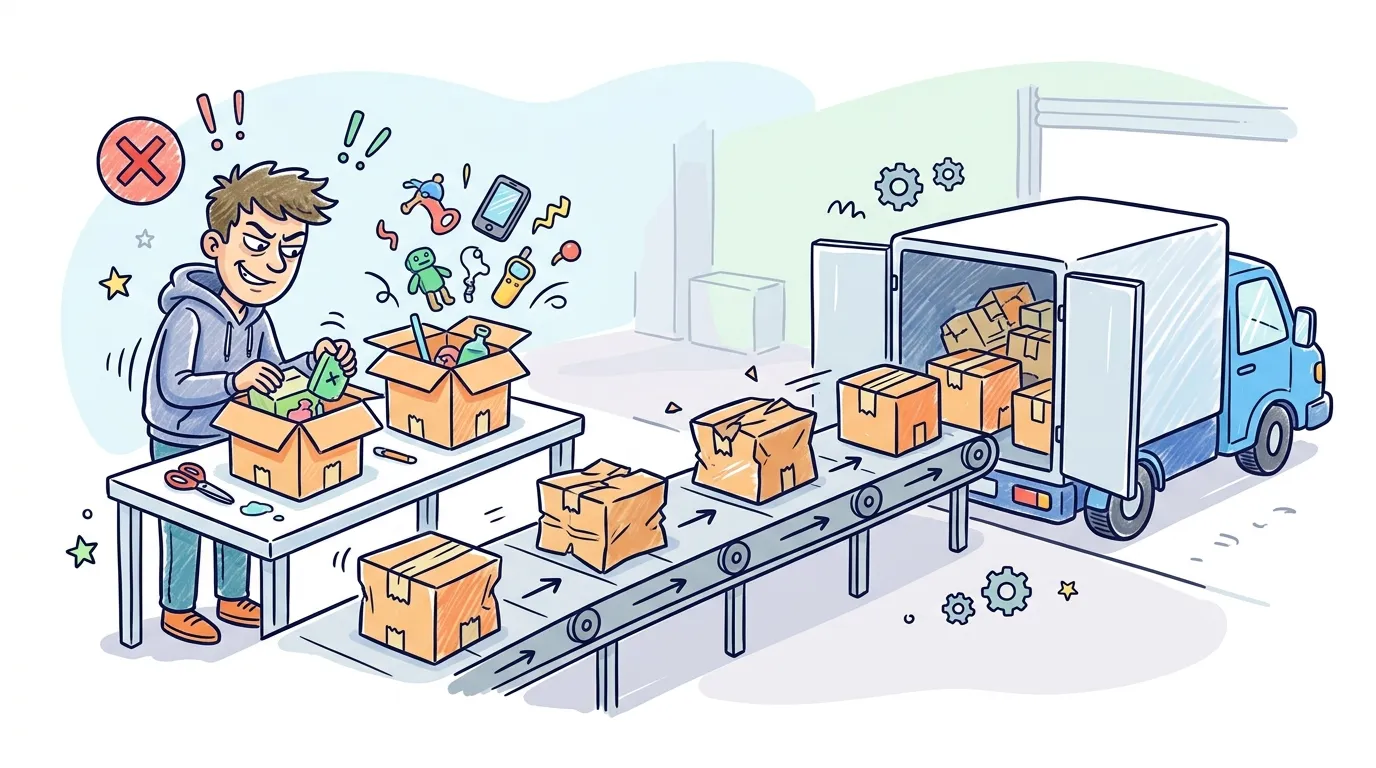
[Scammer Registers Fake Seller Account]
        ↓
[Bulk Dispatches Junk Packages via Logistics Partner]
        ↓
[Courier Agent Collects Cash at Doorstep]
        ↓
[Cash Settles to Scammer's Mule Account]
        ↓
[Account Closed Before Buyer Complaint Triggers Audit]
This isn’t a single hacker in a room; it’s an organized ecosystem. Understanding how the syndicate operates shows the scale of the problem.
Fake Seller Onboarding with Stolen KYC
Scammers set up fake seller accounts on e-commerce platforms or use local courier aggregators. They use stolen or fake KYC documents (Aadhaar, PAN, GST) to register. Once onboarded, they list cheap, generic items—like a plastic comb for ₹500. They then use the harvested address list to dispatch these items via COD.
The Logistics Transport Layer Blind Spot
Courier companies function as the transport layer. Their algorithms optimize for speed and volume. When a fake seller hands over 5,000 packages to a courier company, the courier simply routes them. The logistics company doesn’t verify if the seller is legitimate or if the items inside match the order. They’re incentivized by volume and delivery rates. This blind spot allows millions of rupees worth of junk to flow through legitimate supply chains every year.
The Cash Settlement Loop and Mule Accounts
When the victim pays cash to the delivery agent, the agent collects it and deposits it with the local courier hub. The hub sends the money up the chain to the aggregator or platform. The platform then settles the cash with the “seller” (the scammer) minus a small commission.
Because the scammer uses mule bank accounts or cash-out networks, the money is withdrawn immediately. By the time a consumer complains, the cash is gone, the fake seller account is deactivated, and the logistics company simply points to their terms of service stating they are “just the transporter.”
Why E-Commerce Platforms Struggle to Stop It
E-commerce platforms and logistics giants face a massive challenge. They can’t legally open every sealed package to check for stones. Also, since the COD amounts are low (₹300-₹1,000), consumers rarely pursue legal action, so the fraud goes largely unreported in official police records. From the platform’s data dashboard, it just looks like a successful delivery where the customer later complained about “product quality.”
Why Are Doorstep COD Scams So Emotionally Effective?
Doorstep COD scams are emotionally effective because they exploit fundamental psychological mechanisms: cultural conditioning around hospitality and politeness, authority bias toward branded uniforms, manufactured urgency, the sunk cost fallacy, and target isolation during daytime hours.
To protect your household, you need to understand why this scam works so well. It preys on fundamental human psychology and social conditioning.
The Politeness Trap & Social Conditioning
Indian culture places heavy emphasis on hospitality and politeness, especially toward service workers. Scammers exploit this cultural conditioning. When a delivery agent stands at the door, the resident’s default behavior is to be accommodating. The scammer uses this politeness as leverage. The moment the resident feels socially awkward about rejecting a package, the scammer pushes for cash.
❌ The Courier’s Guilt Trap:
“Madam, system order code is locked! If I take this back, ₹500 will be deducted from my salary today! Your family ordered this online!”
✅ Your Mom’s 5-Word Shutdown:
“Show me the app screen.”
(When he cannot show an active order on a phone app, step back and shut the door.)
Authority Bias Toward Courier Uniforms
People are conditioned to trust uniforms, IDs, and official-looking documentation. A courier with a branded t-shirt, a smartphone scanner, and a printed label triggers an unconscious bias that says, “This is an official transaction.” The resident subconsciously assumes the delivery agent must be legitimate because they represent a larger logistics apparatus.
Manufactured Urgency & Sunk Cost Fallacy
The agent creates a false sense of urgency: “I have 50 deliveries to make, I don’t have time for this.” This urgency forces the resident to make a split-second decision without properly verifying the order. Furthermore, the agent may claim they will be fined if the package is returned. This introduces a moral dilemma for the resident, making them feel responsible for the agent’s well-being. The resident pays the small COD amount just to resolve the tension and “help” the agent, falling right into the trap.
Daytime Target Isolation
By targeting homes during working hours, scammers isolate the most vulnerable demographics. An elderly parent alone at home cannot quickly call their working child to verify an order. This lack of immediate verification is the scammers’ greatest weapon.
How Do You Spot a Fake COD Parcel vs a Genuine Delivery?
Spotting a fake COD parcel requires verifying active orders inside official e-commerce applications, checking seller authenticity, and recognizing aggressive courier behavior that violates standard return-to-origin protocols.
[Step 1: Unsolicited Package Arrives]
        ↓
[Step 2: Family Cross-Checks App: Nobody Ordered]
        ↓
[Step 3: Rejection & Refusal to Pay Cash]
        ↓
[Step 4: Delivery Agent Retaliates with Aggression/Insults]
        ↓
[Step 5: Safe Closure: Shutting Door & Denying Entry]
        ↓
[Step 6: Documentation & Reporting to Authorities]
Understanding the difference between a genuine delivery and a fraudulent one is your first line of defense.
| Feature | Legitimate E-Commerce Delivery | Physical Doorstep COD Scam |
|---|---|---|
| Order History | Matches an active order confirmation inside your official shopping application (Amazon, Flipkart, etc.). | Complete surprise; no family member recognizes or records placing the order. |
| Sender Information | Clearly maps back to a known retailer, marketplace, or verified brand seller. | Vague, generic seller names, missing corporate identifiers, or suspicious return addresses. |
| Reaction to Rejection | Polite logging of a refused/returned delivery; standard protocol. Agent leaves immediately. | Verbal aggression, yelling, boundary-pushing, or psychological intimidation tactics. |
| Package Contents | Exactly matches the item ordered and shown on the invoice. | Junk, cheap substitutes, stones, empty boxes, or low-grade unauthorized duplicates. |
| Data Source | Your own active shopping session on a secure platform. | Leaked databases or previous delivery labels sold by supply-chain workers. |
| Payment Mechanism | Often prepaid, or standard COD with an official invoice generated by the platform. | Strictly COD, often with pressure to pay exact cash without generating a digital receipt. |
- The Social Engineering Reality: Cyber security organizations, including the Future Crime Research Foundation (FCRF) and national consumer helplines, emphasize that physical COD scams rely heavily on social engineering. They exploit the inherent trust consumers place in traditional delivery methods and courier uniforms.
- The Cash Trap: Consumer forums note that once cash is handed over for an unverified physical parcel, recovery is highly unlikely. The money moves through untraceable cash loops, and the “seller” is typically a drop-shipper using temporary mule accounts. The courier company acts merely as the transporter, shielding the actual fraudster behind layers of third-party logistics agreements.
- Supply Chain Vulnerability: Even when the package comes through a well-known courier company (e.g., Delhivery, Ecom Express, Blue Dart, Shadowfax), the company is usually just the transporter. They have no easy way to know the seller was fake or that the address list was bought from someone inside their network. The lack of strict KYC verification for local marketplace sellers allows this fraud to proliferate.
How Can You Protect Your Household Against Cash-on-Delivery Scams?
Protecting your household against cash-on-delivery scams requires establishing a strict zero-payment rule, educating elders and domestic help, treating packaging as sensitive data, and never sharing delivery OTPs or scanning QR codes presented at the door.
Rejecting unknown cash on delivery packages safely needs strict household protocols. Politeness is a vulnerability that scammers exploit. To secure your home, you need rigid, non-negotiable rules.
The Universal Household Order Screen Verification Rule
Establish a strict family policy: Zero payment for any package unless an active order screen can be shown on an official app by a resident.
Whether it is Amazon, Flipkart, Myntra, Ajio, or a brand’s direct website, the tracking ID must match an active order visible on a screen. If that screen does not exist, the package gets refused. There are no exceptions for “gifts,” “system mistakes,” or “maybe someone else in the family ordered it.”
If a family member ordered it, they can forward the order confirmation or tracking link via a family WhatsApp group. If the link is not in the group, the package is not accepted.
Shielding Elders and Domestic Help with Clear Scripts
Elders often feel socially obligated to accept packages. They fear that a genuine item might be returned, causing financial loss or hassle. They are also more susceptible to the “I will be fined” manipulation tactic used by aggressive agents.
You need to explicitly educate parents, grandparents, and household staff. Sit down with them and make the rule clear: A delivery agent has zero authority to demand payment or argue if a package is refused. Their only job is to mark it refused and leave.
Practice a calm, firm script with them so the words come easily when pressure hits. A simple, “We do not order COD. If it is not prepaid, we will not accept it,” or “Nobody ordered this, please return it,” is sufficient. Instruct them not to engage in further conversation or explanation.
Never Open Portals or Share OTPs
Scammers have evolved beyond just demanding cash. Warn family members never to share delivery verification OTPs with couriers for packages they did not order. Legitimate platforms send OTPs to your registered number for genuine orders; they do not need you to recite codes to someone on the doorstep so they can “verify the rejection.”
Furthermore, never scan random payment QR codes handed over by suspicious couriers under the guise of “confirming rejection” or “paying a rejection fee.” Scanning these codes can instantly debit linked bank accounts, converting a physical cash scam into a digital fraud.
Treat Packaging and Shipping Labels as Sensitive Data
Data harvesting begins with your trash. After receiving a legitimate delivery, tear or completely black out the name, address, and phone number on the shipping label before discarding the packaging. This small, consistent habit cuts off one of the easiest ways supply-chain workers harvest and sell your details to fraud syndicates. For broader personal privacy strategies, check our guide on the Emergency Privacy Kit.
Additional Practical Defense Habits
- Shared Family Tracking: Keep a shared family note or WhatsApp group of pending orders. When a family member orders something, they drop the tracking link in the chat.
- Opt for Open-Box Delivery: Choose open-box delivery when the option is available, especially for expensive items. This allows you to verify the contents before handing over the COD amount.
- Never Accept by Name Alone: Never accept a package just because the name and address look correct. Data is cheap; scammers have your exact details. The order must match on the app.
DOORSTEP COD SAFETY PROTOCOL — PRINT & SHARE WITH FAMILY:
- NO APP ORDER = ZERO CASH: Never pay for any delivery unless an active order confirmation screen is displayed on a family phone app (Amazon, Flipkart, etc.).
- NO OTPs & NO QR CODES: Never recite delivery OTPs or scan courier QR codes for packages you did not explicitly place.
- IF HOSTILE / AGGRESSIVE: Do not argue. Shut and lock the entrance door immediately. State clearly: “I am calling the local police right now.”
What Should You Do If a Delivery Agent Becomes Aggressive?
If a delivery agent becomes aggressive upon parcel refusal, immediately terminate verbal engagement, shut and lock your entrance door, document courier details safely from behind a closed door, state clearly that you are contacting local police, and file official complaints on cybercrime.gov.in.
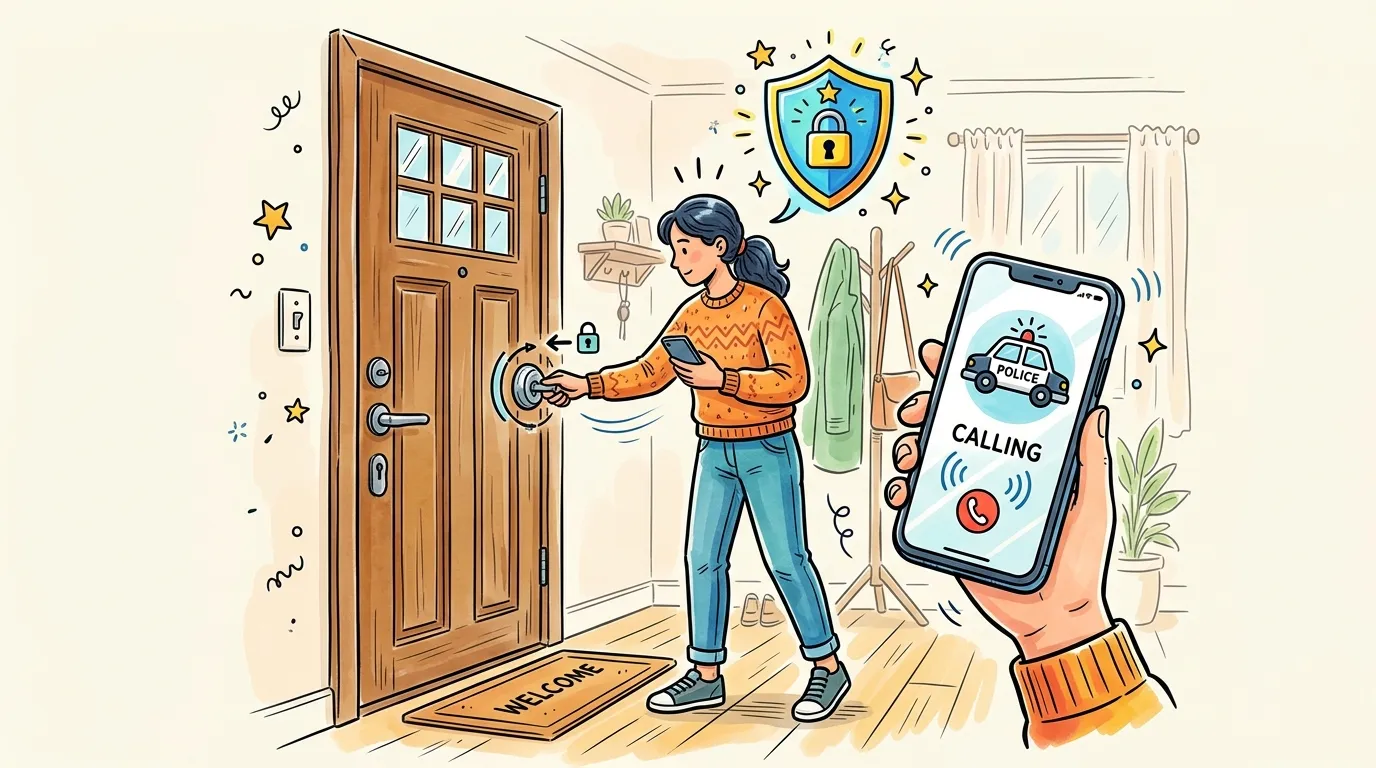
What happens when rejection turns into hostility? Handling aggressive delivery agents is a critical safety question. Physical safety always overrides any commercial dispute. If an agent becomes aggressive, follow this clear safety protocol:
1. Never Argue or Negotiate
Do not try to reason, explain, or get into a shouting match with an aggressive agent. They are testing your boundaries and relying on your emotional reaction. Engaging validates their aggression and prolongs the interaction. State your refusal once, clearly, and then stop engaging verbally.
2. Shut and Lock the Entrance Door Immediately
Immediately terminate the interaction. Step back, shut the door, and lock it. Secure the gate or safety latch if needed. Your home’s physical safety matters more than any delivery dispute. Do not worry about being “rude.” Closing the door on a hostile stranger is your fundamental right.
3. Document Vehicle and Package Details Safely
If safe to do so from behind a closed door, a window, or a peephole, write down the delivery vehicle number, the agency name, and any visible tracking number. A quick photo of the shipping label or the vehicle’s license plate is highly useful for reporting—provided you can take it without opening the door again.
4. Announce Police Law Enforcement Contact
If the person refuses to leave the premises or escalates threats, state clearly and loudly through the closed door: “I am calling the local police right now.” In most reported cases, aggressive fraudulent couriers leave immediately once law enforcement is mentioned, as they are operating on the fringes of legality and want to avoid police interaction at all costs.
5. File Official Complaints on Cybercrime Portals
If the behavior crosses into criminal intimidation, trespassing, or threats, do not let it slide. File a formal complaint with local authorities. Additionally, if personal data was clearly misused to facilitate the scam, file a complaint on the National Cyber Crime Reporting Portal (cybercrime.gov.in) or call the cyber crime helpline 1930. Mention that the address may have come from previous delivery labels—that detail helps investigators look at the supply-chain data harvesting angle. Similar online scam patterns are analyzed in our guide on the Signal Support Phishing Scam.
Post-Incident Protocol: What to Do If You Already Paid
If an elder or family member was intimidated into paying cash by mistake, move fast:
- Call Courier Customer Care: Immediately call the courier company’s official customer care with the tracking number. State that the package was an unsolicited scam and demand the seller’s details.
- Escalate to the Platform: If a marketplace (like Amazon or Flipkart) was used as a front, escalate to their grievance officer.
- File Police/Cyber Complaints: File police and cyber crime complaints immediately. Cash is hard to recover, but quick reporting improves the odds and helps investigators map the syndicate’s pattern.
What Are Your Legal Consumer Rights When Refusing Unsolicited Parcels?
Under consumer protection regulations, you have the absolute legal right to refuse any unsolicited parcel, demand seller identification, and file criminal complaints if a delivery agent engages in intimidation or trespassing.
As a consumer, you are protected by law against unsolicited goods. Understanding your rights empowers you to stand firm at the door.
The Legal Right to Refuse Unsolicited Goods
Under standard consumer protection frameworks, you are under no obligation to pay for or accept goods you did not order. An unsolicited package sent to your home creates no financial obligation. The delivery agent has no legal right to demand payment, nor can they force you to accept the parcel.
Criminal Intimidation and Trespassing Laws
If a delivery agent refuses to leave your property, blocks your doorway, or uses threatening language, this crosses from a commercial dispute into criminal intimidation and trespassing. You have the right to call the police immediately.
4-Point Specific Police Complaint Structure
If you are threatened or lose money, the complaint must be specific. Do not just file a generic “fraud” complaint. State clearly:
- The Mechanism: Unsolicited COD parcel delivered by [Courier Company Name].
- The Intimidation: Agent became verbally abusive and refused to leave the premises upon rejection.
- The Data Source: Suspected data leak from previous legitimate deliveries or supply-chain database compromise.
- The Legal Angle: Criminal intimidation and violation of consumer privacy.
Filing on the National Cyber Crime Reporting Portal (cybercrime.gov.in / 1930) is crucial because even though the interaction was physical, the facilitation involved digital data harvesting and potentially fake digital seller identities. For wider data privacy context, refer to our Dark Web Safety Guide.
How Can Community Reporting Stop Neighborhood Delivery Syndicates?
Community reporting stops neighborhood delivery syndicates by alerting Resident Welfare Associations (RWAs), sharing tracking warnings in neighborhood groups, and holding logistics aggregators publicly accountable on social media channels.
One of the most powerful tools against doorstep COD scams is community awareness. Scammers rely on isolated victims. When communities share information, the scam becomes harder to execute.
Informing RWA Groups and Neighborhood Networks
If you experience an unsolicited COD scam or an aggressive delivery agent, inform your neighbors, your building’s Resident Welfare Association (RWA), or your local community WhatsApp group. Scammers often target entire neighborhoods or apartment complexes using the same harvested data list. A warning sent to your community group can prevent dozens of elderly neighbors from falling victim the same afternoon.
Pattern Mapping Through Mandatory Reporting
Many victims feel embarrassed or think, “It’s only ₹500, it’s not worth the hassle.” This is exactly what the scammers want. Every unreported crime emboldens the syndicate to target more homes. Even if you didn’t lose money, reporting an aggressive delivery agent to the local police and the cyber crime portal helps build a pattern. When authorities see 50 complaints about the same tracking number prefix or the same fake seller address, they can take coordinated action against the logistics aggregator harboring the scammer.
Social Media Escalation & Logistics Platform Accountability
Tagging the official courier companies on social media (X/Twitter) with details of the intimidation can also yield results. Logistics companies are highly protective of their brand reputation. Publicly highlighting that their network is being used to physically intimidate elderly residents forces their security teams to investigate the specific delivery hub and agent involved.
Frequently Asked Questions
What should I do if a package arrives that nobody ordered?
Refuse the delivery immediately. Do not pay the COD amount, do not accept the package, and do not scan any QR codes on the label. Instruct the delivery agent to mark it as “Return to Origin” (RTO). Check your official shopping apps to ensure no family member accidentally placed the order. If there is no record of the order on your app, it is a scam. Do not let the agent guilt or pressure you into paying.
Is it safe to pay cash on delivery for an unknown parcel?
No. It is never safe to pay cash on delivery for a parcel you did not explicitly order. These parcels frequently contain junk, stones, or empty boxes weighted to feel authentic. Once cash is handed over, it enters an untraceable cash loop managed by mule accounts and fly-by-night local drop-shippers, making recovery virtually impossible. The risk is not just financial; accepting the parcel legitimizes the fraud and marks your address as a vulnerable target for future scams.
What happens if a delivery agent becomes aggressive when you reject a package?
If an agent turns aggressive, do not argue. Shut and lock your door immediately to secure your physical safety. If they refuse to leave or continue shouting, loudly inform them that you are calling the local police. Note down their vehicle number and any tracking details from a safe vantage point. After the incident, file a formal complaint with local authorities or cyber crime portals regarding doorstep courier intimidation fraud. Remember, a legitimate courier company employee is trained to accept rejections peacefully; aggression is a massive red flag of a scam.
Summary & Key Takeaways
The shift from online digital phishing to physical doorstep pressure shows how adaptable these criminal networks are. They no longer need sophisticated hacking infrastructure. Sometimes, all they need is a leaked list of names and addresses, a few empty boxes, and the willingness to stand at your door shouting until you hand over ₹500 out of sheer frustration or fear.
Scammers rely entirely on your politeness, your hesitation, and the social awkwardness of turning someone away. An unsolicited package creates absolutely no legal or moral obligation to pay. An agent who turns aggressive the moment you refuse has already proven the transaction is illegitimate. Closing the door is not rude—it is your absolute right and your strongest defense.
The defense against this fraud is straightforward but requires discipline:
- Enforce a zero-payment rule unless an active order matches on an official app screen.
- Ensure every adult and domestic worker in the household knows the protocol.
- Refuse without negotiating or arguing.
- Destroy shipping labels on discarded packaging to cut off data harvesting.
- Treat any aggression at your door as the ultimate signal to lock up, document the incident, and report it to the authorities.
Refusing a package nobody ordered and shutting the door on intimidation is your right and your strongest protection to safeguard your home, your finances, and your family against doorstep courier fraud.
What to Read Next
- Emergency Privacy Kit: Essential Tools for Digital & Physical Safety — Protect your personal information and personal devices against physical and online threats.
- Signal Support Phishing Scam: How Impersonators Exploit Trust — Learn how scammers use social engineering and authority bias to target messaging app users.
- Dark Web Safety Guide: Protecting Personal Data from Leaks — Discover how data brokers harvest and trade personal information and how to secure your identity.